
Manchester Museum: A Crossroads of Natural History, Archaeology, and Anthropology
Aira Force Waterfall: The Heartbeat of the Lake District
شلال آيرا فورس – نبض الجمال في قلب منطقة البحيرات

بقلم السيد محمد القاضي
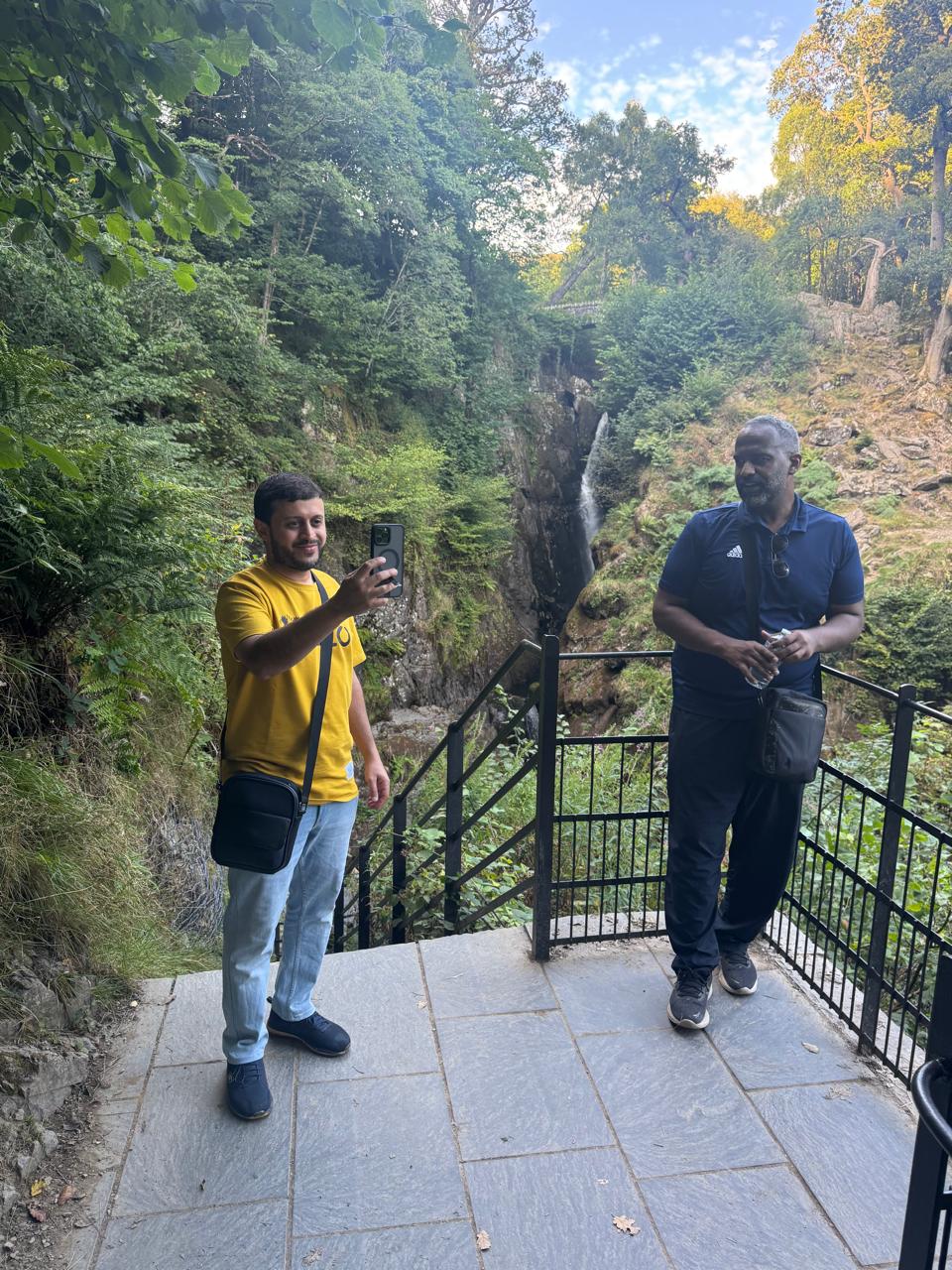
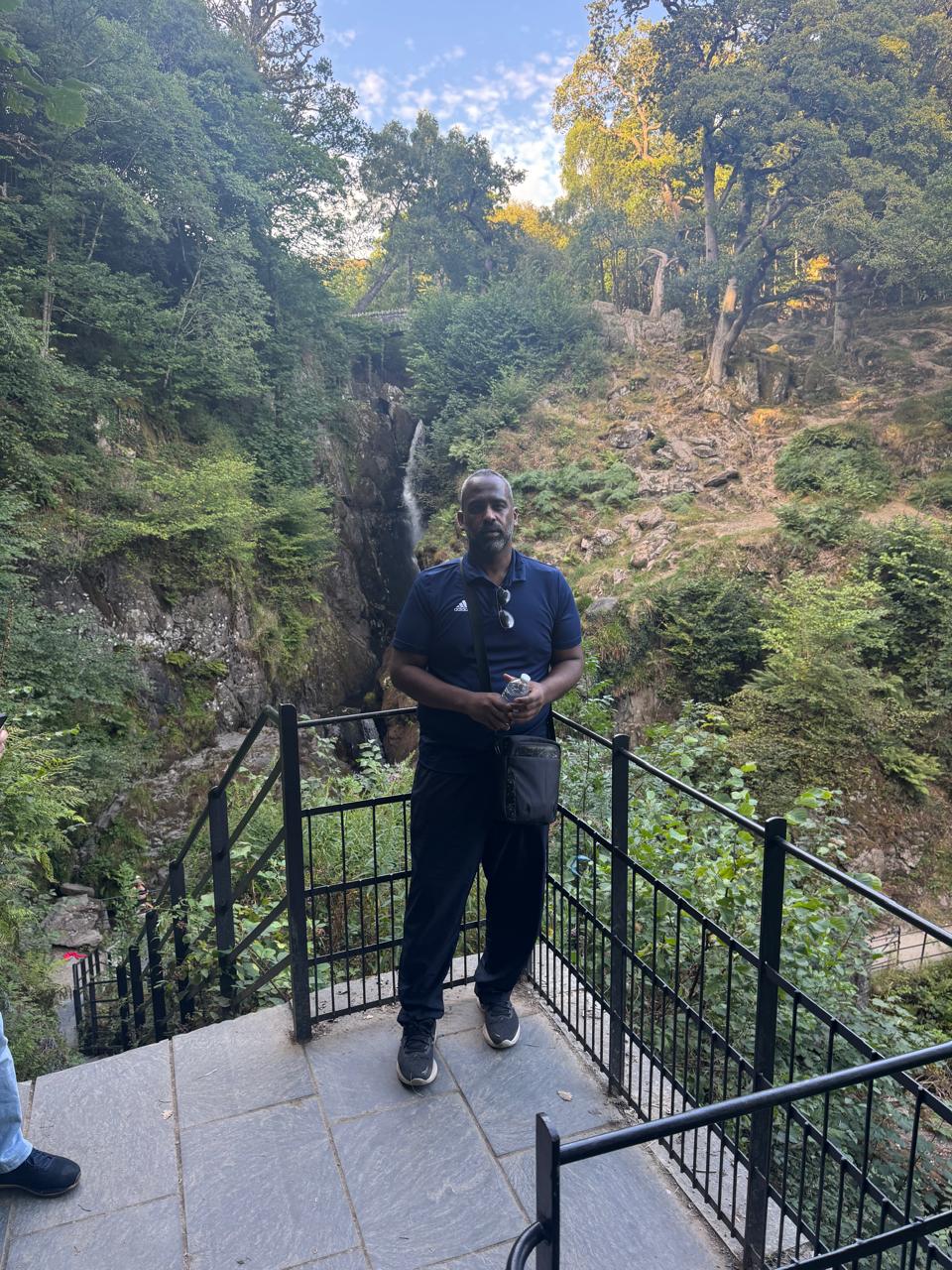
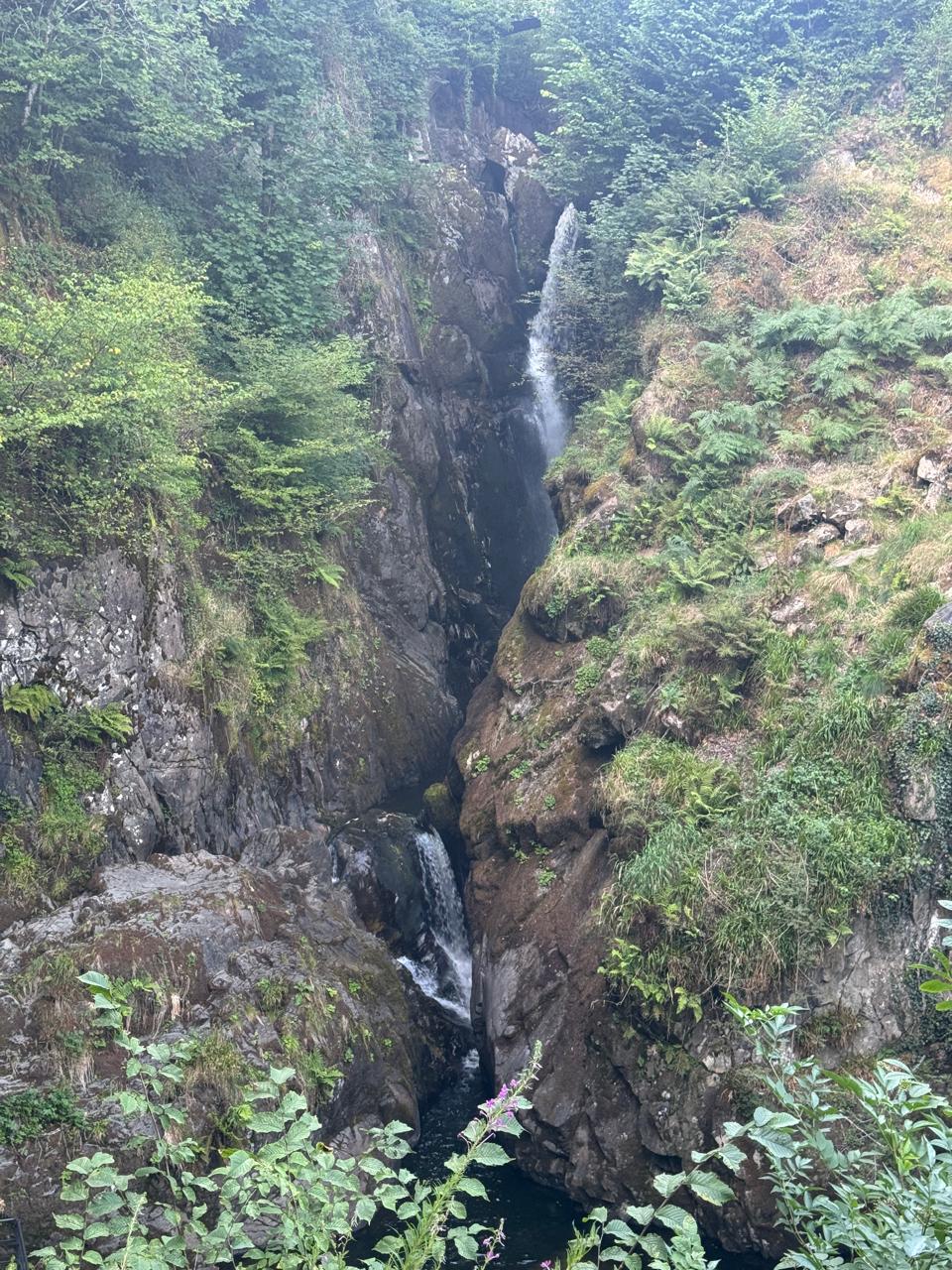
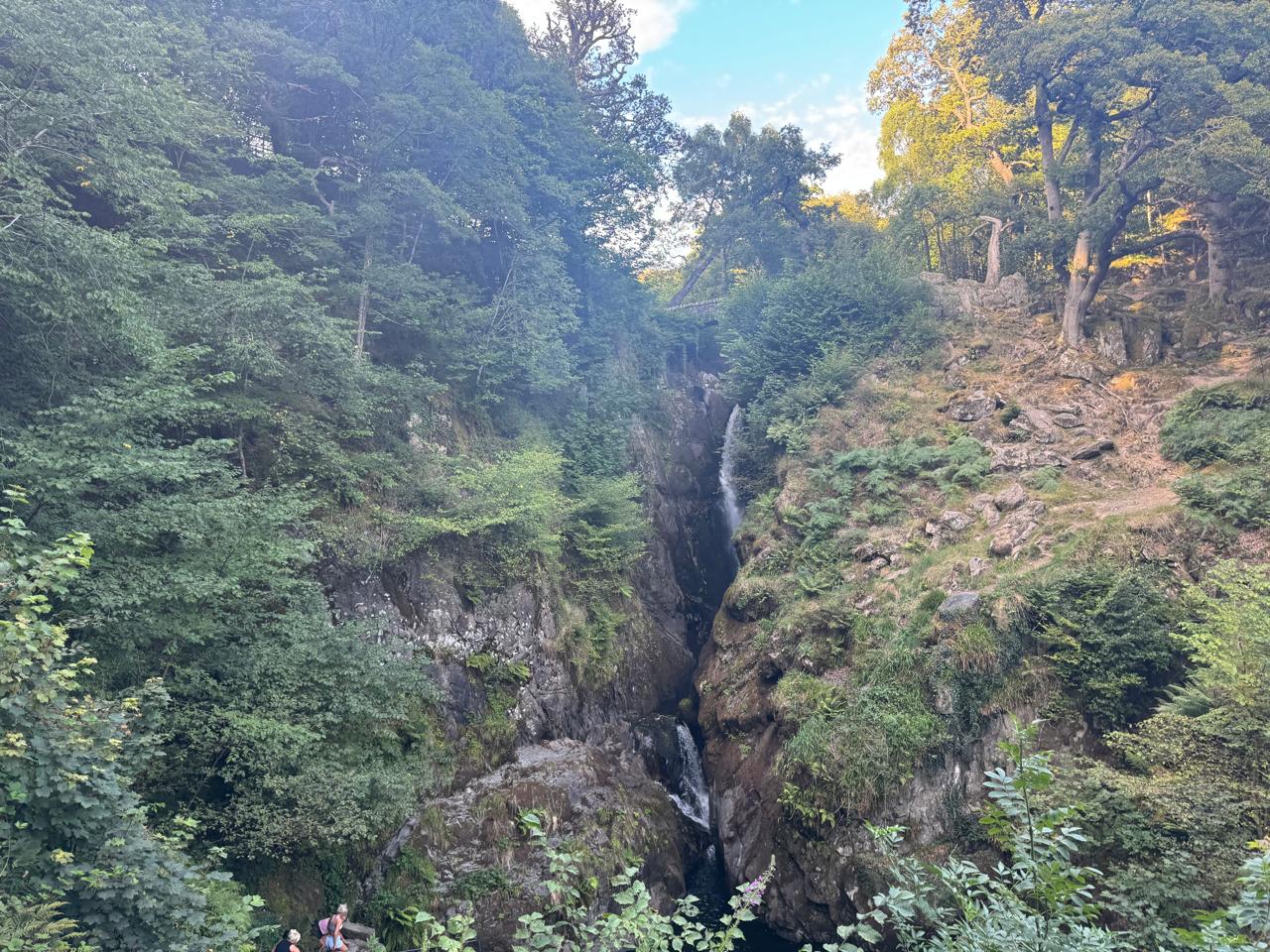
في أعماق منتزه البحيرات الوطني (Lake District) في مقاطعة كمبريا شمال إنجلترا، يتدفق شلال آيرا فورس (Aira Force) كقصيدةٍ حيّة من الجمال والحركة، حيث تهبط مياهه من ارتفاع يقارب 20 مترًا وسط غابةٍ كثيفة من الأشجار القديمة والصخور المغطاة بالطحالب، لتشكل لوحة طبيعية تنبض بالحياة والإلهام.
مشهد رومانسي خالد
لم يكن آيرا فورس مجرد شلال، بل رمزًا للرومانسية الإنجليزية في أبهى صورها. فقد تغنّى به الشاعر ويليام ووردزورث في قصائده التي خلدت هذا المكان، واعتبره ملهمًا للحب والطبيعة والخيال. هنا، تتداخل مشاعر الإنسان مع أصوات الطبيعة في مشهدٍ لا يُنسى.
وجهة سينمائية ساحرة
يُعد شلال آيرا فورس من أبرز المواقع التي يقصدها صانعو الأفلام في بريطانيا، حيث يجمع بين جمال الطبيعة وحركة الماء في تناغمٍ بصريّ فريد. الجسر الحجري العتيق والأشجار الشاهقة المحيطة بالشلال يمنحان المشهد عمقًا بصريًا رائعًا، بينما يضيف الضباب الصباحي لمسةً سحرية تُحوِّل كل لقطة إلى لوحة فنية.
وقد أصبح هذا الشلال من أكثر المواقع تصويرًا في شمال إنجلترا، لما يتميز به من سكينةٍ وهيبةٍ في آنٍ واحد.
انسجام الطبيعة
تتولى مؤسسة “ناشونال تراست” الحفاظ على النظام البيئي الدقيق في المنطقة. فالممرات الحجرية التي تعود للعصر الفيكتوري، ونهر آيرا بيك (Aira Beck) الذي يتدفق بين الأشجار، يقدمان للزائر تجربةً فريدة تجمع بين التاريخ والطبيعة. كما يعيش في الغابة المحيطة أنواع نادرة من السناجب الحمراء والغزلان والطيور.
رحلة تأمل
عند الوقوف أمام شلال آيرا فورس، يشعر الزائر بأنه أمام نبض الأرض ذاته. صوت الماء المتساقط يشبه دقات القلب — مستمرة، مفعمة بالحياة، وتدعوك للتأمل في جمال الخلق. إن هذا الشلال ليس مجرد وجهة طبيعية، بل تجربة روحية تعيد الإنسان إلى ذاته وإلى اتزانه مع الطبيعة.
الموقع: منطقة أولزواتر – منتزه البحيرات الوطني – كمبريا – إنجلترا
أفضل أوقات الزيارة: من أبريل إلى أكتوبر للمناظر الخضراء، أو في الشتاء لمشاهدة الشلال المتجمد
نصيحة للمصورين: التصوير في الصباح الباكر يمنح مشاهد ضبابية مدهشة وإضاءة طبيعية مثالية للقطات السينمائية
By Mr Mohamed AlGadi
Hidden deep within the Lake District National Park in Cumbria, Aira Force Waterfall is a place where nature speaks in poetry and motion. Cascading dramatically from a height of nearly 20 metres, it flows through ancient woodland, moss-covered rocks, and fern-lined paths, creating a living symphony of sound and light that has inspired writers and filmmakers for centuries.
A Romantic Landscape
Aira Force is not merely a waterfall — it is a sanctuary of emotion. The area became famous through the poetry of William Wordsworth, who found here the pure essence of English romanticism. His verses in “The Somnambulist” and “Aira Force” captured the spirit of this landscape — where love, loss, and nature intertwine beneath the echoing roar of falling water.
A Cinematic Haven
For filmmakers, Aira Force is a perfect blend of texture and movement. The cascading water, surrounded by towering trees and a stone arch bridge, creates natural depth for cinematic storytelling. Morning mist filters through the trees, creating dreamlike lighting ideal for slow-motion or drone cinematography. It is a location that turns every frame into a painting.
From wildlife documentaries to travel films, Aira Force Waterfall has become one of the most photographed and filmed sites in Northern England — its atmosphere embodying both serenity and power.
Nature in Harmony
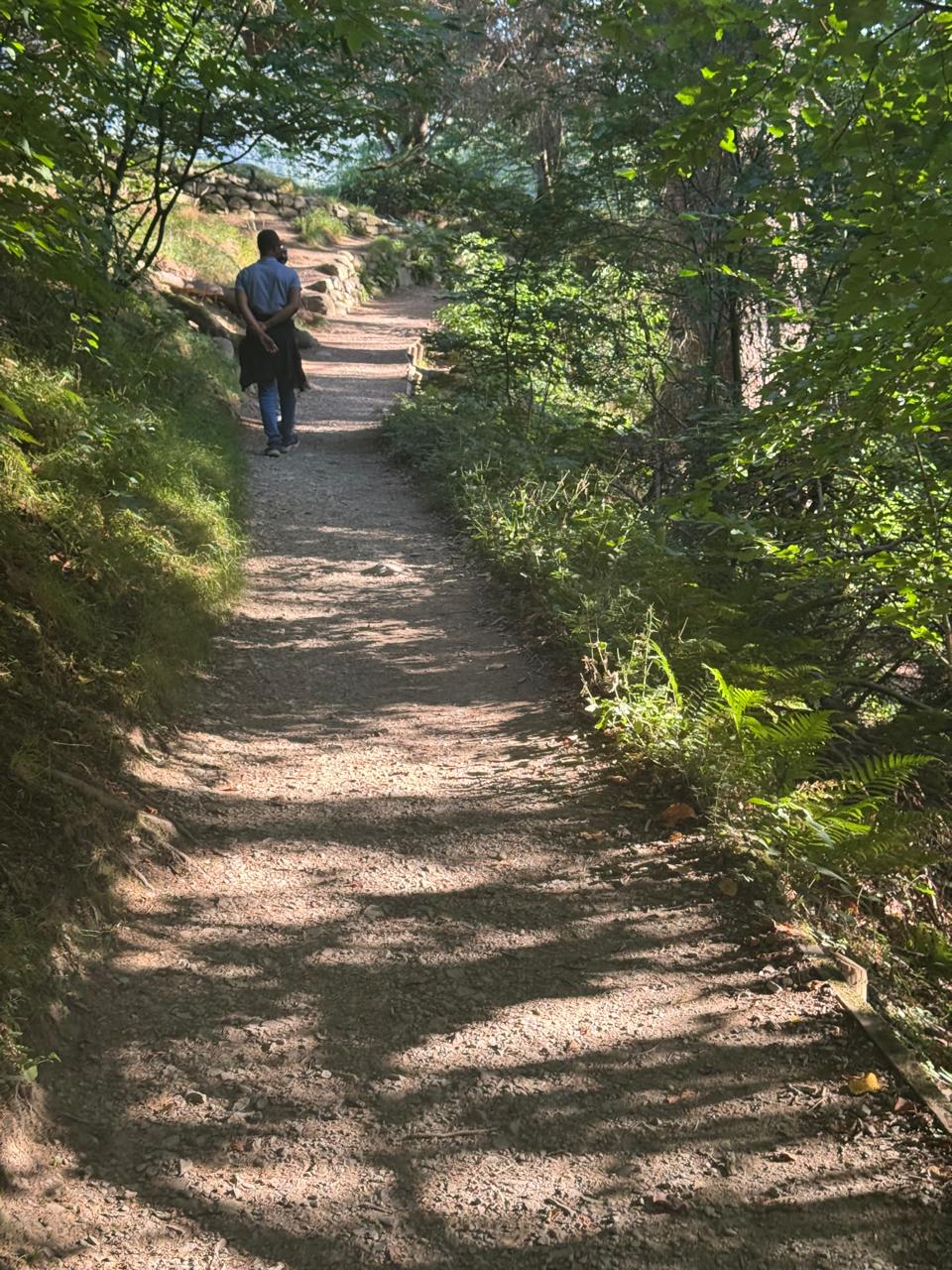
The National Trust has carefully preserved Aira Force’s fragile ecosystem. The woodland walk along Aira Beck River offers a journey through centuries-old trees, hidden waterfalls, and stone steps built in the Victorian era. Red squirrels, roe deer, and countless birds call this forest home, adding to the magic of the scene.
A Journey of Reflection
Standing before Aira Force, one feels a deep connection to the eternal rhythm of nature. The sound of rushing water becomes a heartbeat — timeless, grounding, and alive. It’s a reminder that true beauty lies not in grandeur, but in the harmony between humanity and the earth.
Location: Ullswater, Lake District National Park, Cumbria, England
Best Time to Visit: April–October for lush greenery, or winter for icy cascades
Filming Tip: Early morning fog and natural light filtering through trees provide the perfect cinematic contrast.