
Manchester Museum: A Crossroads of Natural History, Archaeology, and Anthropology
ركن تاريخ المسلمين الإيغور والثقافة الصينية في متحف مانشستر
Manchester Museum Showcases Uyghur Muslim History and Chinese Culture



بقلم السيد محمد القاضي
في قلب مدينة مانشستر البريطانية، وبين أروقة متحف مانشستر التابع لجامعة مانشستر، يقف الزائر أمام تجربة فريدة تجمع بين التاريخ والإيمان والثقافة.
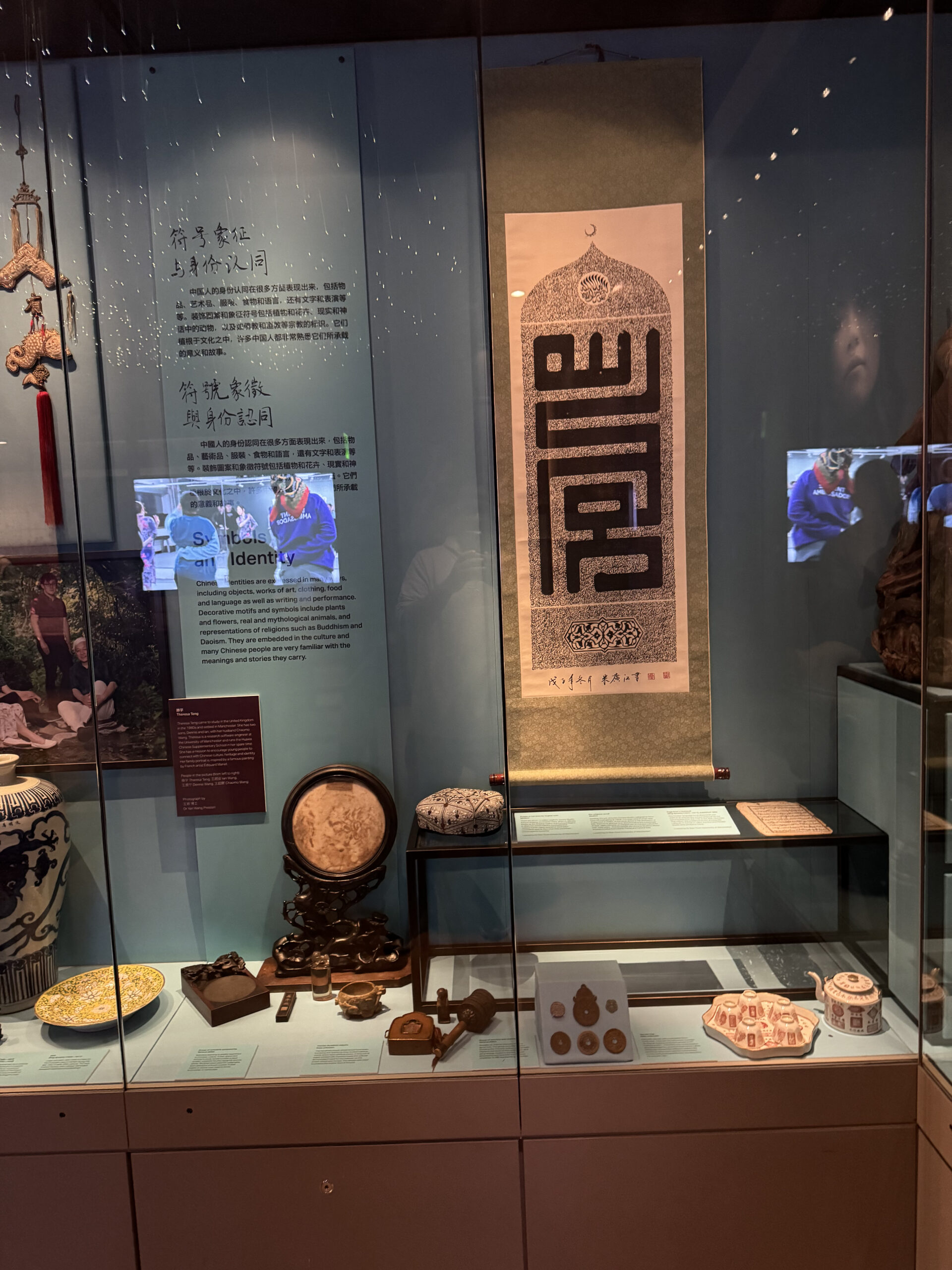
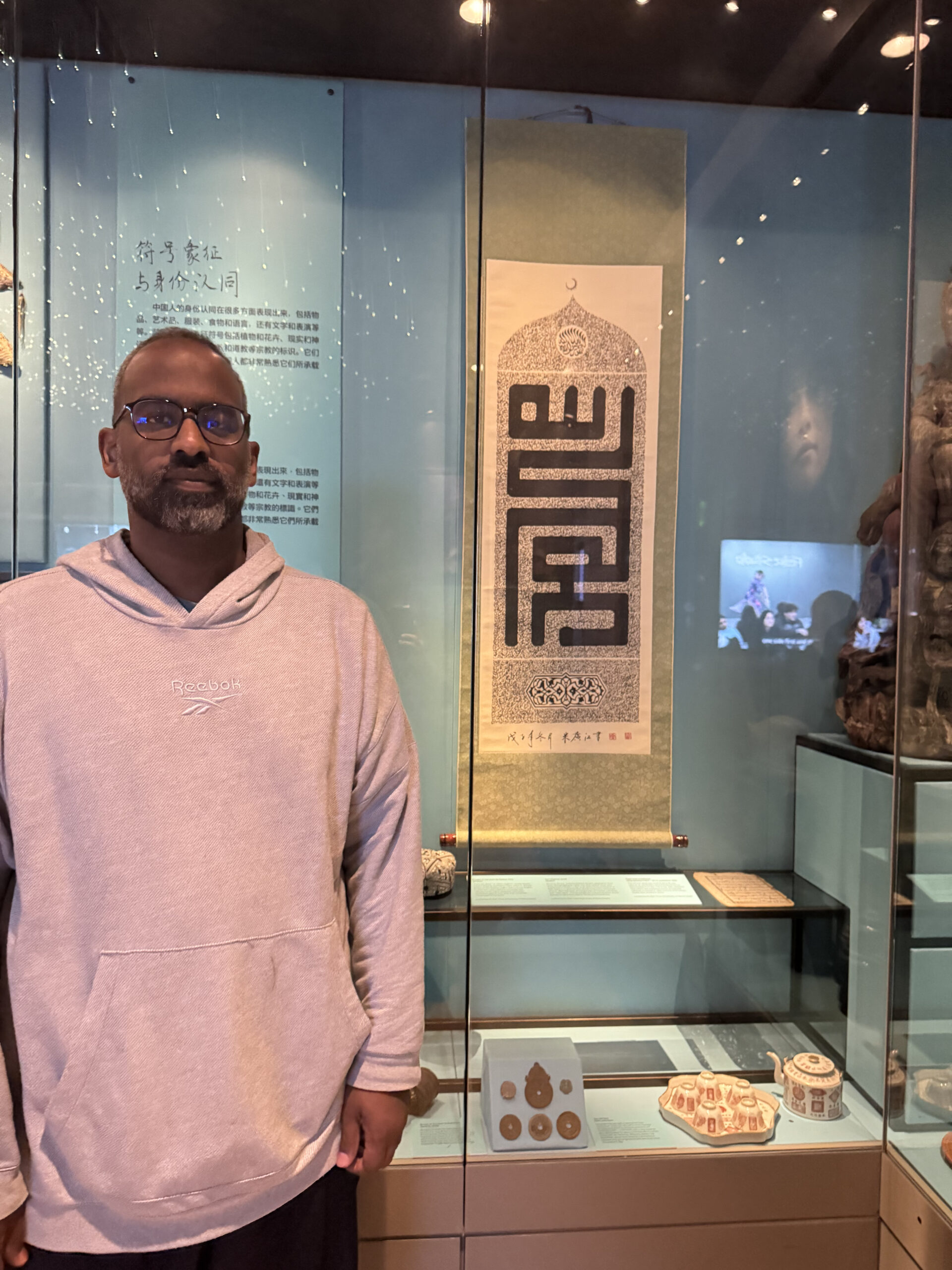
ففي خطوة تحمل الكثير من المعاني الإنسانية، خصص المتحف ركنًا مميزًا بعنوان “تاريخ المسلمين الإيغور والثقافة الصينية”، ليقدم من خلاله رحلة معرفية عميقة عن أحد فصول التاريخ الإسلامي في الشرق الأقصى.
حضارة تتحدث بلغة الإيمان والثقافة
شعب الإيغور، وهو مجموعة عرقية تركية الأصل، يقطن إقليم شينجيانغ شمال غرب الصين، ويمتد تاريخه إلى قرون طويلة على طريق الحرير الذي ربط الشرق بالغرب.
كان الإيغور المسلمون وما زالوا جسرًا حضاريًا يربط بين العوالم المختلفة، حيث ساهموا في نشر المعرفة الإسلامية واللغة العربية والفنون الزخرفية في آسيا الوسطى والصين.
ويعرض الركن الجديد في متحف مانشستر هذه الجوانب من خلال مجموعة نادرة من المخطوطات القرآنية والقطع الفنية والمنسوجات الإيغورية التي تحمل مزيجًا رائعًا من الرموز الإسلامية والأساليب الصينية التقليدية.
بين المخطوط والصورة… حكاية أمة
يتنقل الزائر بين قاعات المعرض ليشاهد مخطوطات قديمة للقرآن الكريم مكتوبة بخط عربي مزخرف على الطراز الصيني، وصورًا فوتوغرافية تروي تفاصيل الحياة اليومية للمسلمين الإيغور في مدن مثل كاشغر وتوربان.
كما يحتوي الركن على عروض تفاعلية حديثة تتيح للزوار التعرف على كيفية دخول الإسلام إلى الصين في القرن السابع الميلادي، وكيف تمكن المسلمون الإيغور من الحفاظ على هويتهم الدينية والثقافية رغم التحولات السياسية والاجتماعية التي مرت بها البلاد.
رسالة إنسانية تتجاوز الجغرافيا
يؤكد القائمون على المتحف أن الهدف من هذا المعرض ليس مجرد عرض تاريخ أو قطع أثرية، بل هو دعوة للحوار بين الثقافات وإبراز القيم الإنسانية المشتركة بين الشعوب.
ومن خلال هذا الركن، يسعى متحف مانشستر إلى إبراز فكرة أن الإسلام لم يكن غريبًا عن الشرق الأقصى، بل أصبح جزءًا من نسيج الحضارة الصينية عبر قرون من التفاعل الإنساني والتبادل الثقافي.
التعليم… جسر المستقبل
ولا يقتصر الدور على العرض المتحفي فقط، بل يمتد إلى الجانب التعليمي، حيث ينظم المتحف ورش عمل وبرامج خاصة للطلاب والباحثين حول التعايش والتنوع الثقافي والتاريخ الإسلامي في آسيا.
كما يسهم المعرض في تعريف الأجيال الشابة من الجالية المسلمة في بريطانيا بجذورهم التاريخية الممتدة إلى عمق الحضارات الآسيوية، ويعزز فخرهم بانتمائهم المزدوج إلى الإسلام والثقافة العالمية.
ختامًا
إن ركن تاريخ المسلمين الإيغور والثقافة الصينية في متحف مانشستر ليس مجرد معرض فني، بل هو رسالة حضارية وإنسانية تذكّر الزائر بأن الثقافة الإسلامية كانت وما تزال جزءًا من حركة التاريخ العالمي.
إنه دعوة مفتوحة للتأمل في قدرة الإنسان على بناء الجسور بدل الجدران، وعلى أن يجعل من التاريخ وسيلة للفهم لا للصراع، ومن التنوع مصدرًا للجمال لا للانقسام.
By Mr Mohamed AlGadi
In the heart of Manchester, inside the halls of the Manchester Museum at the University of Manchester, visitors encounter a remarkable exhibition that bridges faith, history, and culture.
In a move that carries deep cultural and humanitarian meaning, the museum has dedicated a special space titled “Uyghur Muslim History and Chinese Culture”, offering an inspiring journey through one of the lesser-known chapters of Islamic civilization in East Asia.
A Civilization that Speaks the Language of Faith and Culture
The Uyghurs — a Turkic Muslim ethnic group native to the Xinjiang region in northwestern China — have a history deeply intertwined with the Silk Road, the ancient route that linked East and West.
For centuries, Uyghur Muslims have served as cultural ambassadors and merchants, transmitting Islamic knowledge, Arabic script, and artistic traditions across Asia.
The new gallery at Manchester Museum brings this heritage to life through a rare collection of Qur’anic manuscripts, artistic pieces, and traditional Uyghur textiles, each blending Islamic motifs with classic Chinese design elements.
Between Manuscripts and Images… the Story of a People
As visitors wander through the exhibition, they are greeted by ancient Qur’anic manuscripts inscribed in beautifully stylized Arabic calligraphy adapted to Chinese artistic patterns.
Historic photographs portray scenes of daily Uyghur life in cities such as Kashgar and Turpan — markets, music, mosques, and family traditions — while interactive digital displays trace the arrival of Islam to China in the 7th century, and how Uyghur Muslims preserved their identity through centuries of change.
A Message of Humanity Beyond Borders
Curators emphasize that this gallery is not merely about artifacts or history, but about dialogue and shared values.
Through this exhibition, the Manchester Museum seeks to highlight the universal message of Islam — a faith that has long coexisted and harmonized with diverse cultures, including the vast and ancient civilization of China.
The gallery reminds visitors that Islam in the Far East is not foreign but deeply woven into the fabric of Chinese history, representing centuries of coexistence and mutual enrichment.
Education — the Bridge to Understanding
Beyond the display, the museum has established educational programs and workshops for students and researchers focusing on cultural diversity, migration, and interfaith understanding.
These initiatives connect Britain’s Muslim communities — especially the younger generation — with the broader story of global Islam, reinforcing a sense of pride, belonging, and respect for shared human heritage.
Conclusion
The Uyghur Muslim History and Chinese Culture Gallery at Manchester Museum stands as a symbol of cultural understanding and historical reflection.
It invites us to see history not as a series of divisions but as a living conversation between civilizations.
In its quiet, graceful way, the exhibition celebrates the enduring truth that humanity’s greatest strength lies in diversity — and that every culture, when understood, enriches the world we share.